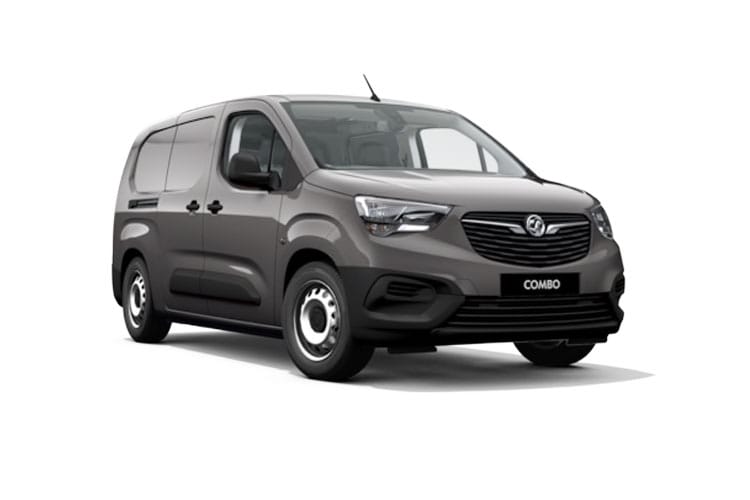
Vauxhall
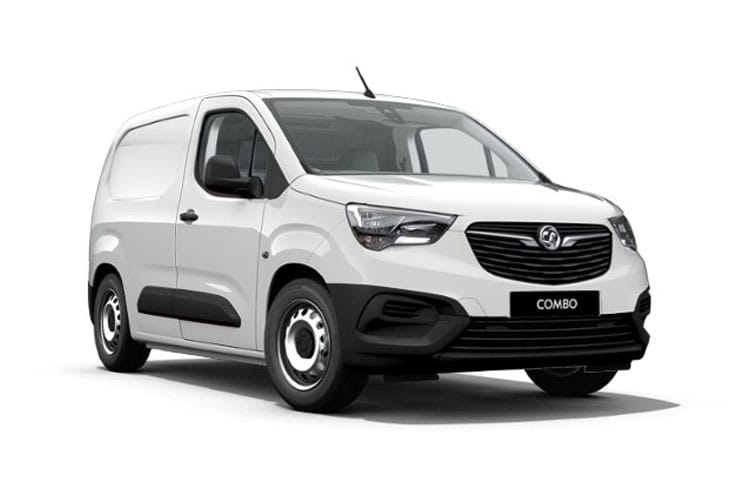
Combo Cargo
Crew L2H1 1.5 Turbo D 100 Edition
Crew van leasing
For companies that need to transport not only goods but also a crew of workers, traditional panel vans fall short on passenger capacity. Crew vans bridge the gap, with a second row of seats and a load area behind it.
32 vehicles available

Vauxhall
Crew L2H1 1.5 Turbo D 100 Edition

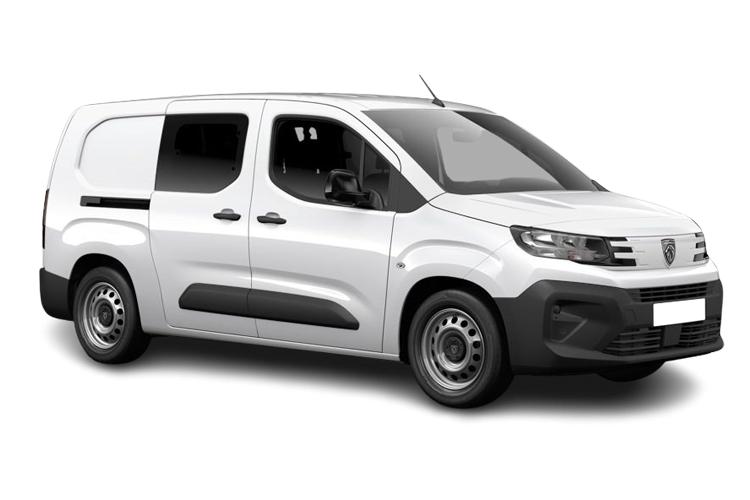
Peugeot
Crew Van Long 1.5 BlueHDi 850 100 Professional

Vauxhall
Crew L2H1 1.5 Turbo D 100 Sportive

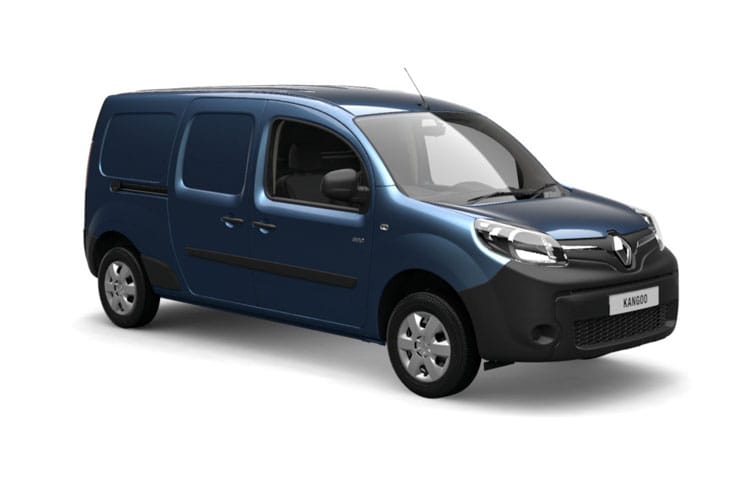
Renault
LL21 i Maxi Crew E-Tech 33 Business

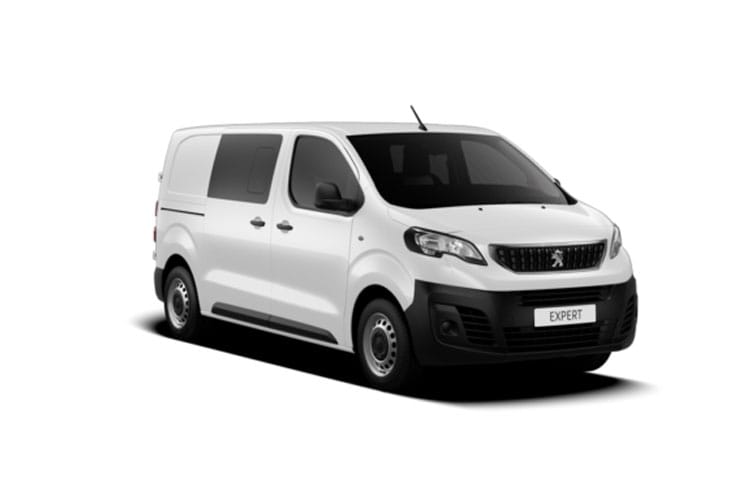
Peugeot
2.0 BlueHDi 145 Professional Premium Crew Van

Vauxhall
e-COMBO Cargo Crew 2300 L2H1 50kWh Dynamic

Fiat
Maxi Double Cab LH1 35 Long Wheel Base 2.2 Multijet 140 B2B


VW
T32 Short Wheel Base 2.0TDI 110 Kombi Highline Edition

Peugeot
e-PARTNER Crew Van Long 52kWh 700 Professional Auto
What is a crew van?
The essentials
The trade-off is straightforward: seats in the back mean less cargo volume.
A row of three in the back, with two or three up front depending on the model, so the whole crew travels together.
Space behind the second row for equipment, tools, supplies and materials. Capacity varies by model, wheelbase and whether the seats fold or lift out.
On a like-for-like Transit Custom, the crew version carries six rather than three, and roughly half the cargo volume. Worth checking dimensions against what you actually carry.
Like for like
Same size van, two different jobs.
Size
Max seats
Cargo volume
Who it suits
Transport workers and their tools to site together, with easy access to equipment. The same applies to HVAC, plumbing and electrical teams working across several jobs a day.
A crew, their equipment and materials travelling to different locations, without running a second vehicle to carry the people.
Where the job isn't finished at the kerb, a crew van carries the delivery team and the tools to assemble or install on site.
Event, catering and audio-visual companies moving staff and kit to a venue, or shuttle operators carrying passengers alongside luggage.
Body styles
Specialised variants expand the category further, but most crew vans fall into one of these.
The most common and versatile choice, in compact, mid-size and full-size models. Balances passenger capacity against cargo space, and suits most industries.
A taller cargo area for tall equipment or items that won't fit within a standard van. Popular with contractors, tradespeople and service technicians carrying specialist gear.
A longer wheelbase, giving more cargo space behind the rear seats. Suits larger teams, or bulkier cargo like construction materials and furniture.
How it works
A flexible, cost-effective route to a vehicle that carries both cargo and people.
Pick the make and model, weighing seating capacity, cargo space and any features the business needs.
Settle the lease duration, mileage limits and monthly payment, with a lower upfront cost than buying outright.
Monthly payments cover the vehicle's depreciation over the lease, plus any extras you add such as a maintenance package.
At the end, hand the van back and lease a new one, or discuss the other options available to you.
Why lease one