Tipper leasing
The hardest working van around, on a fixed monthly cost.
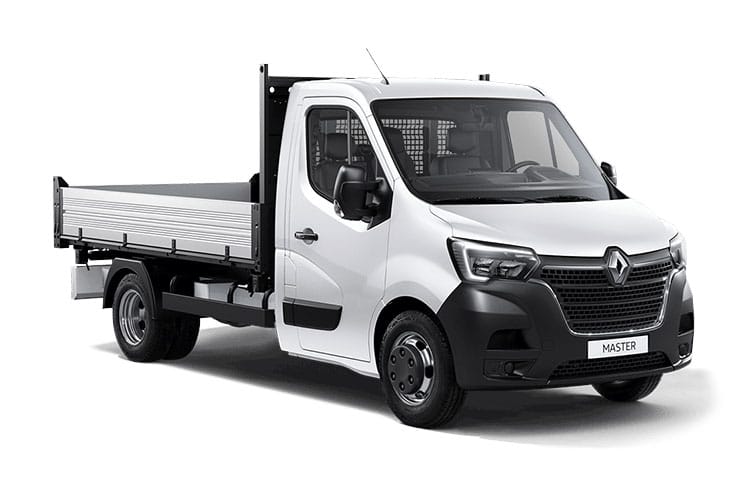
Tipper vans are built on a chassis cab and designed for moving bulk materials efficiently, with an open load bed and a hydraulic mechanism that lifts to offload in seconds. Pick the body, tipping system and payload that match your work.
- Rear tip or 3-way tip
- Single cab or crew cab
- Steel, aluminium or resin beds
- Fixed monthly payments
Tippers available to lease
6 vehicles available


Ford
Transit
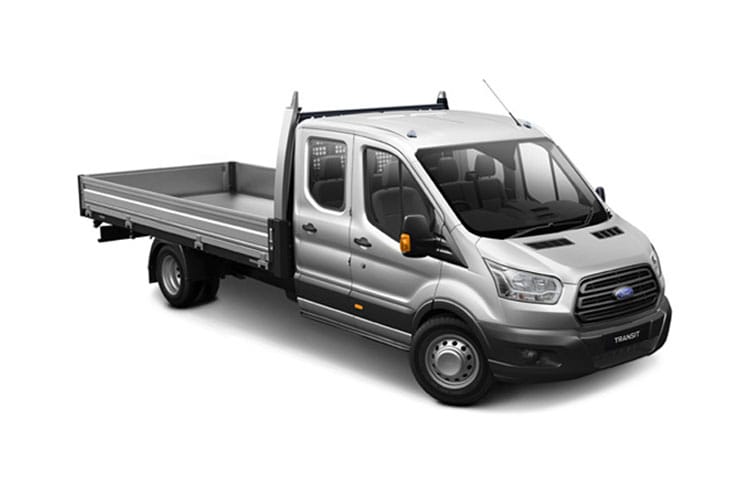
350 L3 Double Cab Tipper 2.0TDCi 130 1WAY

Ford
Transit
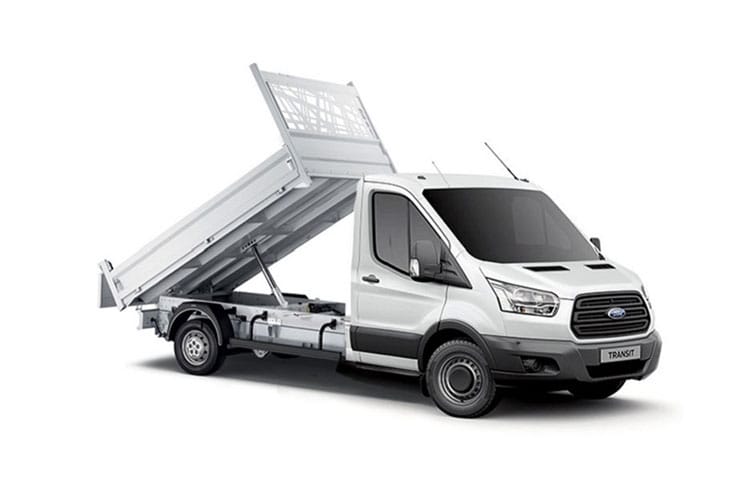
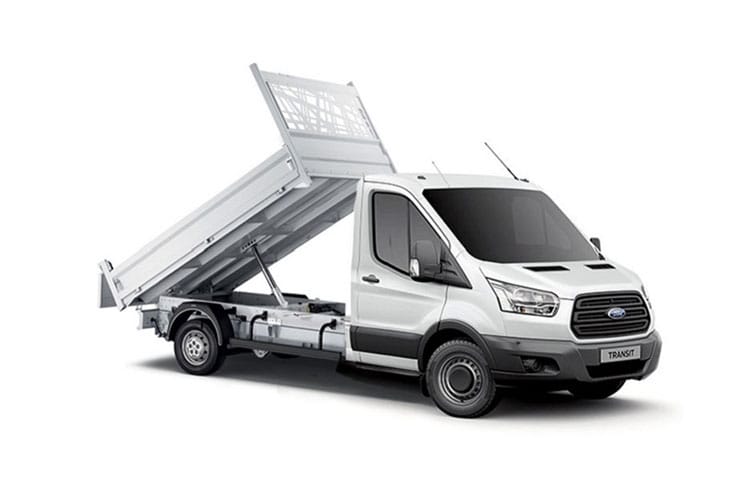
350 All Wheel Drive L2 Tipper 2.0TDCi 130 1WAY

Ford
Transit
350 L2 Tipper 2.0TDCi 130 1WAY One Stop


VW
Crafter
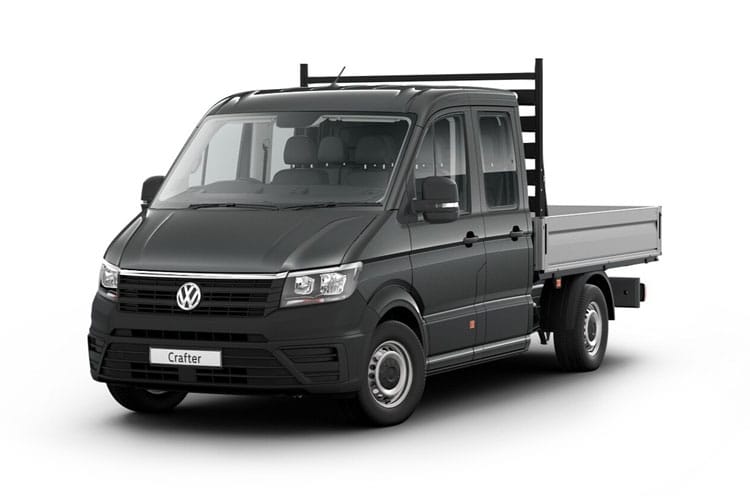
CR35 Long Wheel Base Double Cab Tipper 2.0 TDI 140 Startline
What is a tipper?
An open bed, and hydraulics that do the lifting.
Who it suits
Built for the trades that shift material all day.
Builders and contractors
Moving soil, aggregates and waste between site and yard, day in, day out, where hand-balling a load out of a panel van isn't an option.
Landscapers and groundworkers
Green waste one way, topsoil and gravel the other. A lighter aluminium or resin bed keeps payload available for the material rather than the body.
Councils and facilities teams
Short or medium-term fleet flexibility without committing to purchase, so the fleet can flex around seasonal and contract work.
Body styles
Types of tipper available to lease
Three common configurations, and the work each one is built around.
Single cab tipper
Maximum load space, ideal for materials transport where the bed length matters more than the seat count.
Crew cab tipper
Seats the extra passengers and stores tools securely, so the team and the material travel together.
Rear tipper
The most common setup, tipping backwards. Simple, robust, and suited to most day-to-day unloading.
Choosing one
How to choose the right tipper
Four practical decisions that get you the correct setup for your work.
Payload requirement
Match the bed strength to your materials: steel beds handle rubble and demolition waste, aluminium or resin beds are lighter and suit landscaping or green waste.
Tipping direction
Rear tip is standard for most jobs. A 3-way tip offers more flexibility when working next to kerbs, walls or in tight spaces.
Cab style
A single cab maximises load bed length. A crew cab provides extra seating for your team and storage for tools.
Project type
Consider how the van will be used day to day, so you don't over-spec or under-spec the vehicle for your workload.
How it works
Tipper leasing, explained
The same process as our standard commercial van leasing, with a specialist body on the back.
- 1
Choose the vehicle and body
Pick the chassis, cab style, bed material and tipping system that fit the work.
- 2
Set the term and mileage
Choose your contract length and annual mileage allowance, and we'll price it.
- 3
Pay a fixed monthly amount
One known figure for the duration of the lease, with no purchase cost up front.
- 4
Hand back or upgrade
At the end of the term, return the vehicle or move into a new one. No used tipper to sell on.
Tipper or dropside?
Which one do you need?
Both use the same chassis-cab base and open load bed, but they serve slightly different purposes.
Best for
- Tipper
- Loose material, soil, aggregate and waste
- Dropside
- Bulky items, pallets, tools and equipment
Unloading
- Tipper
- Hydraulic, tips the bed to offload in seconds
- Dropside
- Manual or forklift, sides fold flat for access
Access
- Tipper
- Rear tip, or 3-way for tight spaces
- Dropside
- All-round, load from any side
Choose it when
- Tipper
- You unload loose material frequently
- Dropside
- You don't need powered tipping
Not sure?