





Dropside leasing explained
We know that you need the flexibility from your work vehicle to take on a range of different jobs, and often, depending on the type of work you carry out for your business, a luton or panel van isn’t the right choice.
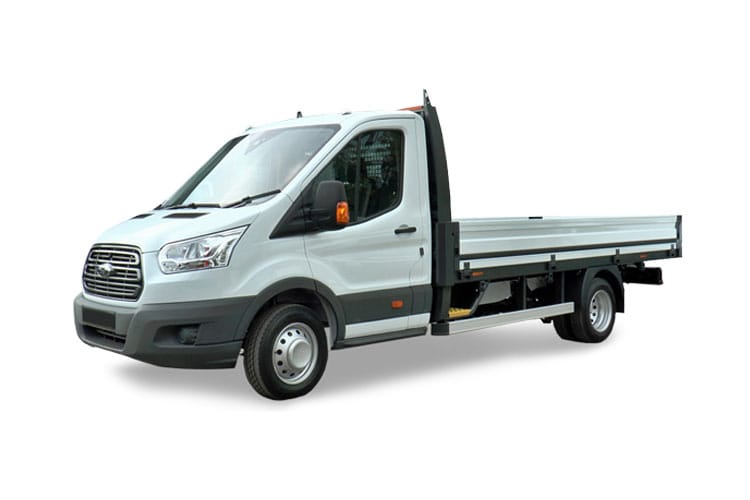
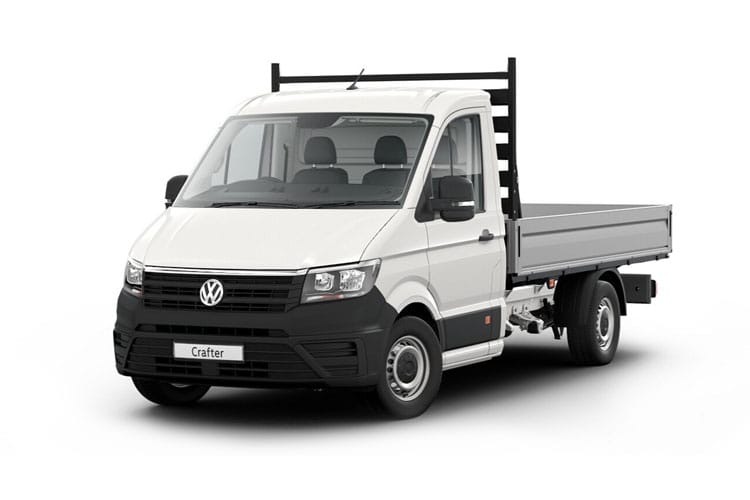
One common conversion for vans is the dropside – a specialist vehicle known for how versatile it is. Designed with a large flat-bed loading area and with side and rear opening panels, the dropside is particularly popular within the building and gardening industries due to how practical they are for transporting heavy, bulk loads.
Similar to a tipper, but without the tipping action, the side panels of the dropside are simply lowered for easy loading and unloading of materials. Available in a single cab or crew cab the dropside can carry up to six passengers, perfect if you need to transport helpers. The lower-cost and smaller single cab options carry one or two passengers, favoured for those looking to maximise carrying capacity and who don’t need the extra seats. Available in short or long-wheel base options, dropsides offer drivers a variety of deck lengths to accommodate your work loads.
Designed to make the working day easier, the dropside has folding panels at the side making it easy to load and unload cargo and allows other vehicles such as forklifts to have direct access to the load – really useful if you need to lift heavy materials from the dropside.
Here are some of the most popular dropsides:
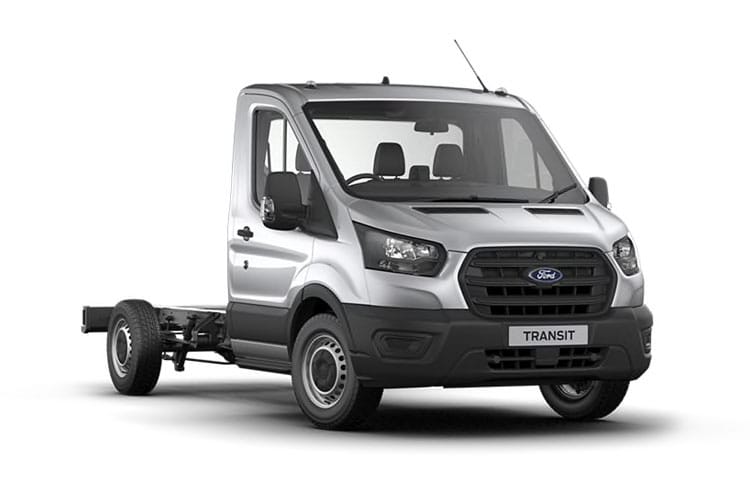
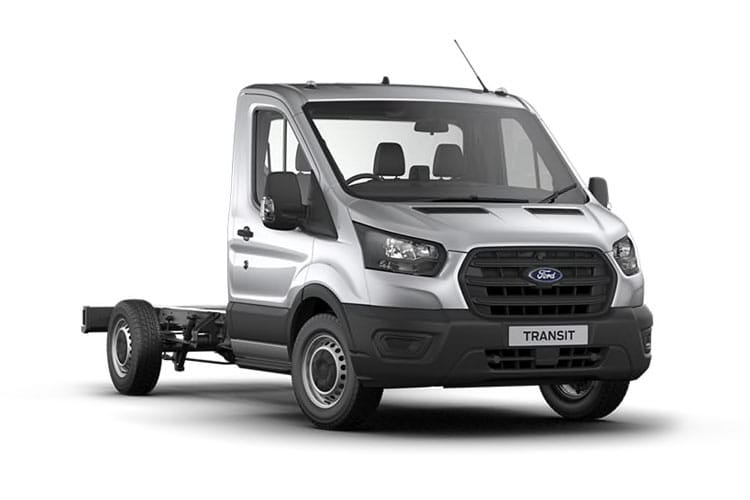
- Ford Transit
- Citroen
- Mercedes
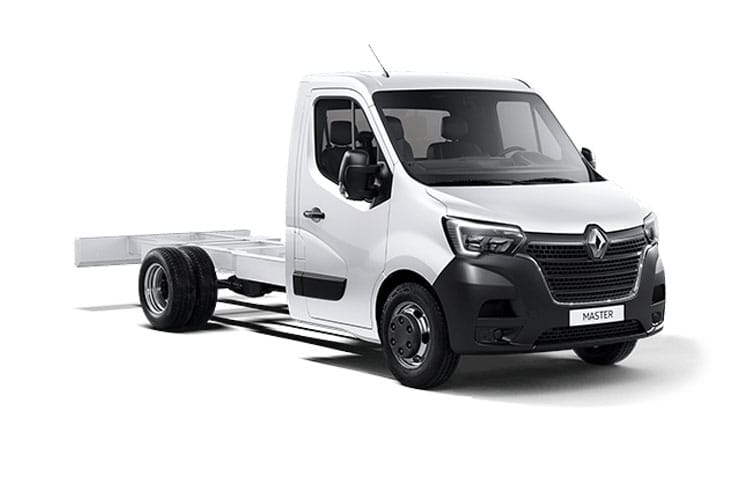
- Renault
- Volkswagen